
Why Online Music Theory Lessons Work So Well
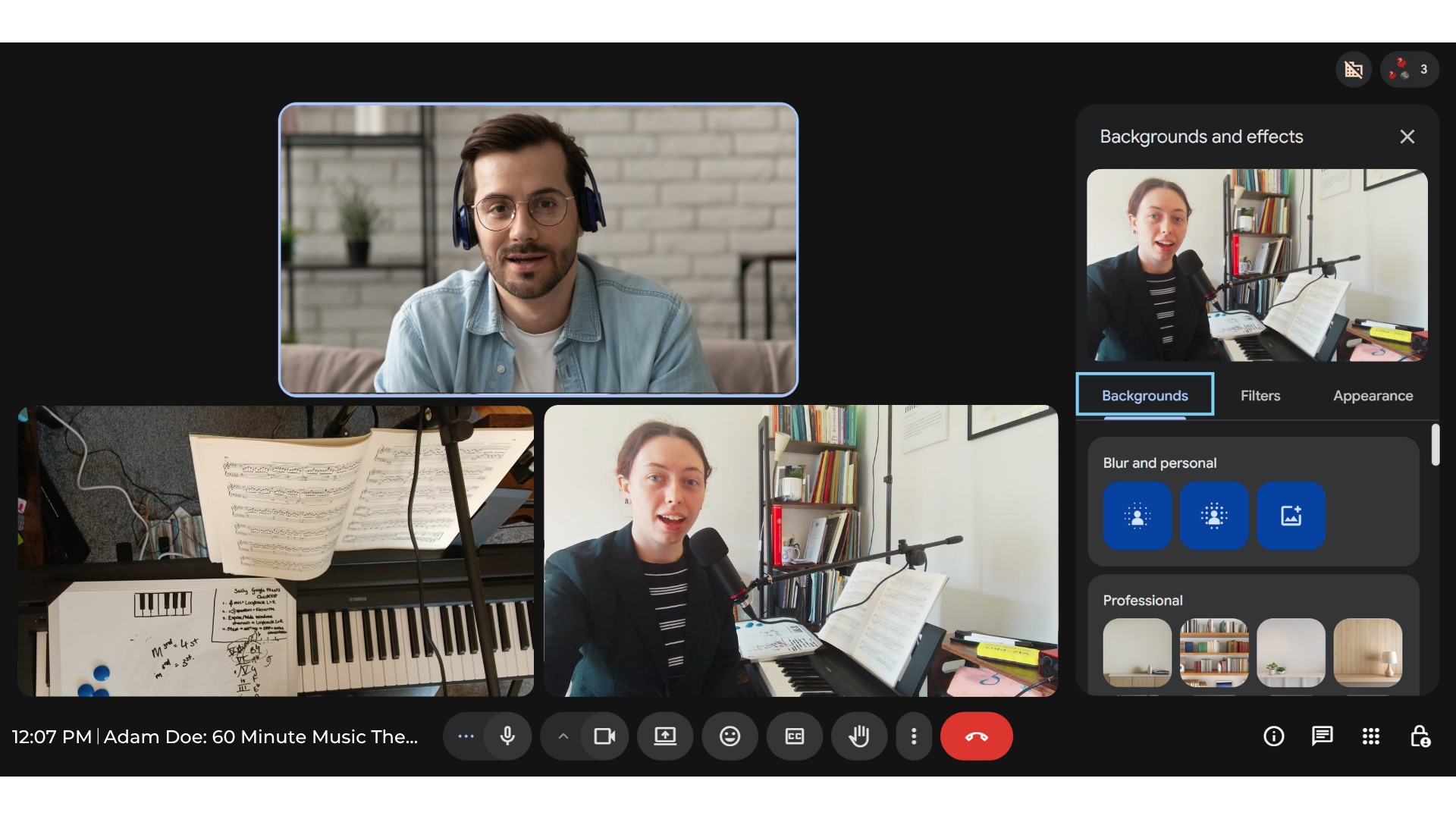
Sally teaches a Music Theory lesson online
For a lot of students, music theory can feel like the most intimidating part of learning music. It is often seen as dry, overly academic, or full of rules that seem disconnected from actual music-making. But taught well, theory is none of those things. It is simply the language behind the music you already hear and play.
And in many cases, it can actually be taught better online.
Online music theory lessons are flexible, focused and surprisingly effective. Whether you are an absolute beginner, a piano student preparing for exams, an adult returning to music, or someone who has always felt a bit lost with notation and terminology, online lessons can make theory feel much more accessible.
Music theory is naturally suited to online learning
Unlike some areas of instrumental teaching, music theory does not rely on the teacher physically being in the room. Theory is visual, structured and discussion-based. It lends itself really well to screen sharing, digital worksheets, annotated examples and step-by-step explanation.
In an online lesson, it is easy to look at a score together, highlight a cadence, circle accidentals, compare intervals, label chords or work through rhythmic mistakes in real time. Students can see exactly what is being discussed, and the pace can be adjusted as needed without any pressure.
This often makes online theory lessons feel calmer and clearer than traditional classroom settings.
Students can learn from home, without the extra stress
One of the biggest benefits of learning music theory online is simplicity. There is no travel, no rushing across town after work or school, and no need to sit in a busy waiting room before trying to concentrate on note values and key signatures.
You can learn from your own desk, with your own notebook, in a familiar environment. For many students, that makes a real difference. It is easier to focus when you are comfortable, and easier to ask questions when you do not feel self-conscious.
That matters especially in music theory, because so many students quietly carry the belief that they are “bad at theory” when actually they have just never had it explained in a way that makes sense to them.
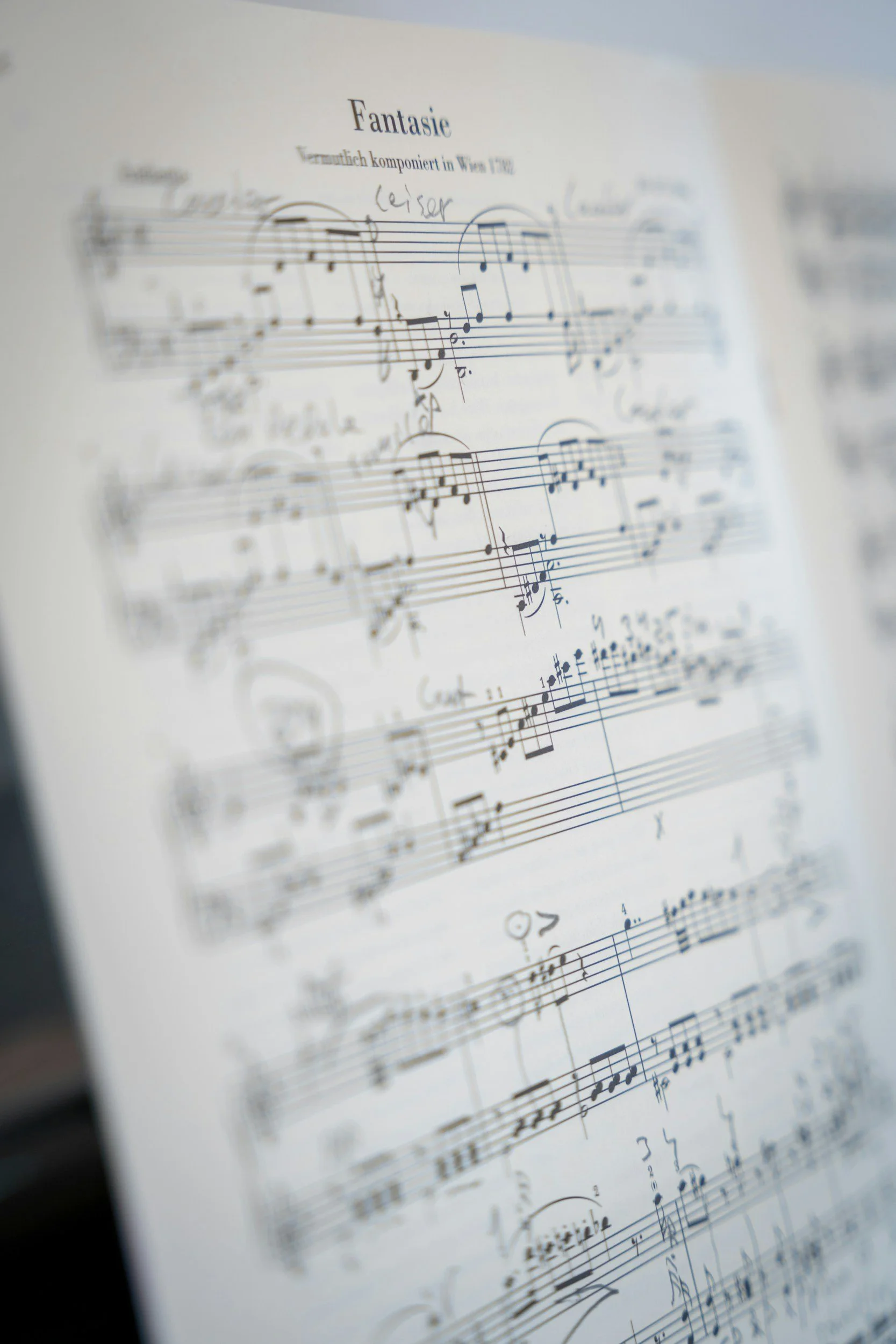
Online, 1:1 theory lessons can be highly personalised
In a group setting, theory often gets taught at one speed. If you already understand something, it drags. If you are confused, the class moves on without you.
One-to-one online teaching solves that.
A good online music theory lesson can be shaped around exactly what the student needs. That might mean going right back to basics and covering stave, clefs and note names without embarrassment. It might mean preparing for an ABRSM theory exam and focusing on the exact topics that keep coming up wrong in practice papers. Or it might mean helping a practical musician finally understand the harmonic patterns they have been playing for years.
Theory becomes much easier when it is taught as a conversation rather than a lecture.
It is easier to use high-quality resources online
Another major advantage of online teaching is the ability to use clear, well-designed digital resources. In a lesson, students can work from annotated examples, on-screen diagrams, custom slides, digital whiteboards, interactive quizzes or printable worksheets.
That means learning does not have to rely on a single workbook and a pencil.
For music theory in particular, visual presentation matters. A well-spaced rhythm example, a clearly marked chord progression, or a colour-coded explanation of scales and intervals can make difficult concepts much easier to grasp. Online teaching allows those resources to be shared instantly and revisited after the lesson.
Students often find that they retain more because they leave with something concrete to review, rather than just trying to remember what was said.
Online lessons help students build independence
One of the best outcomes of theory teaching is not just getting the right answer. It is learning how to think.
In a strong online lesson, students are guided through the logic behind the answer: how to count an interval properly, how to identify the tonic, how to spot a modulation, how to tell whether a chord is major, minor, diminished or augmented. Over time, they become less reliant on guessing and more confident in working things out for themselves.
That kind of independence is incredibly valuable, whether you are taking exams or simply trying to become a more secure musician.
Music theory is not just for exams
Many students come to music theory because they have to. Perhaps it is for a grade requirement, a school course or an upcoming exam. But theory is much more useful than that.
It helps you read music more fluently. It helps you learn pieces faster. It helps you understand why certain chords sound tense, why some melodies feel complete, and why particular rhythms create momentum. It strengthens sight-reading, aural awareness and musical memory. It gives context to what you are already doing practically.
Online theory lessons can be especially good for students who want this broader understanding, because the teaching can be shaped around real musical examples rather than only a syllabus.
Online learning can be a good fit for adults as well as younger students
Adults often put off music theory because they assume they have missed their chance, or because school-based teaching left them thinking theory was confusing or dull.
In reality, adult learners often do extremely well with online music theory. They tend to benefit from the flexibility, the one-to-one attention and the chance to ask “basic” questions without feeling judged. Online lessons also fit more easily around work, family and other commitments.
For younger students, online theory can work brilliantly too, especially when lessons are paced well and supported by engaging resources.
The key is clear teaching
Not every online lesson is automatically a good one. The format works best when teaching is structured, patient and well explained. Music theory should not feel like being talked at. It should feel like building understanding step by step.
That means breaking larger concepts into manageable chunks, using examples that are easy to follow, checking understanding as you go, and adapting explanations to the student in front of you.
When that happens, online music theory lessons can be every bit as effective as in-person teaching — and sometimes more so.
Final thoughts
If music theory has ever felt confusing, overwhelming or disconnected from real music, online lessons may be exactly what you need. They offer flexibility, clarity and a much more personalised way to learn.
Done well, online music theory teaching is not a compromise. It is a smart, modern and highly effective way to build real musical understanding.
At Red Squirrel Music, music theory is taught in a clear, supportive and practical way, with lessons tailored to the individual student. Whether you are starting from scratch, returning after years away, or preparing for an exam, online lessons can help theory finally click.
Ready to improve your music theory with expert online tuition? Explore online lessons with Red Squirrel Music and start building confidence, one concept at a time.

This article was written by Sally Proudman. Sally is a classical pianist, music tutor and founder of Red Squirrel Music, passionate about helping students understand music theory in a way that feels clear, relevant and encouraging.
